.jpg "Amazing Facts about the Nile River")
The Incredible Story of the Nile: Amazing Facts About the River Nile
The River Nile is something more than a river; it’s a teller of tales that has seen empires rise and crumble. The lifeblood of ancient and modern Egypt, the force of nature that has fostered life, called forth legends, and modeled history, is the Nile River. It flows for thousands of miles across Africa; the Nile being a testimonial to the perpetual relationship between humans and water. In Respect Egypt Tours, we are here to tell you some amazing facts about the River Nile and guide you along with its mysteries and wonders.
Let’s journey along the great Nile and discover what makes this legendary river so extraordinary.
The Age of the Nile River
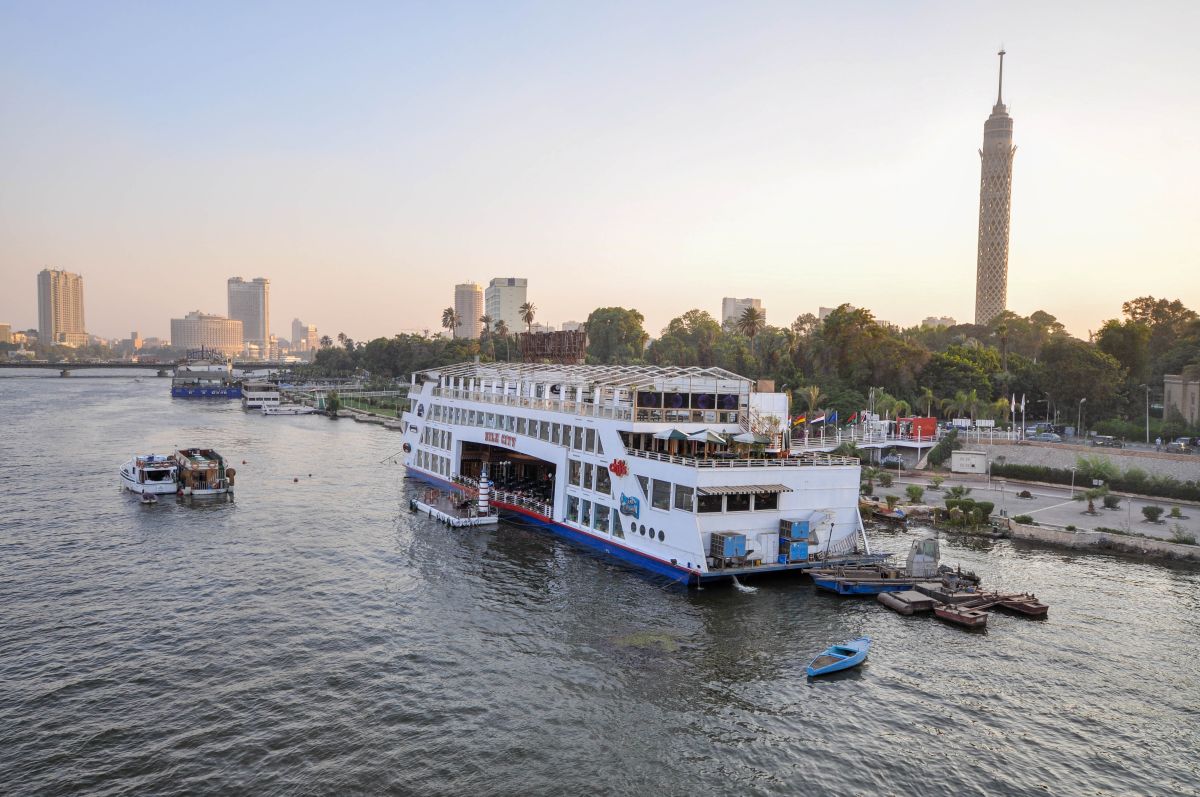
The Nile is an ancient river, far older than the pharaohs and even the pyramids themselves. Experts believe the river has been flowing for at least 30 million years, making it one of the oldest rivers on Earth. Unlike many other rivers that change their course over time, the Nile has stayed true to its path for millions of years, carving its mark into the land along the way.
Imagine the Nile slowly carving through the landscape as the Earth took shape, deserts formed, and the first civilizations emerged. Over the centuries, the Nile has seen the rise and fall of powerful kingdoms and empires. It’s not just a river; it’s a witness to history, one that’s helped shape the world we know today.
When you sail down the Nile, you’re not just cruising on water. You’re traveling back in time, moving through the very heart of history. The river’s waters carry with them the stories of countless generations, allowing you to connect with the past in a way that few places in the world can offer.
How long is the River Nile?
The Nile, extending an impressive 6,650 kilometers (4,130 miles) from its origins in central Africa to the Mediterranean Sea, is often considered the longest river on Earth. The river winds its way through 11 countries, including Uganda, Sudan, and Egypt, connecting diverse cultures and ecosystems.
This immense length gives the Nile pride of place as a natural artery for life across northeastern Africa. It supports millions of livelihoods, aids agriculture, and waters areas that would otherwise be arid. The reach of the Nile extends not just physically, but also emotionally and symbolically, linking nations and generations.
The Importance of the River Nile
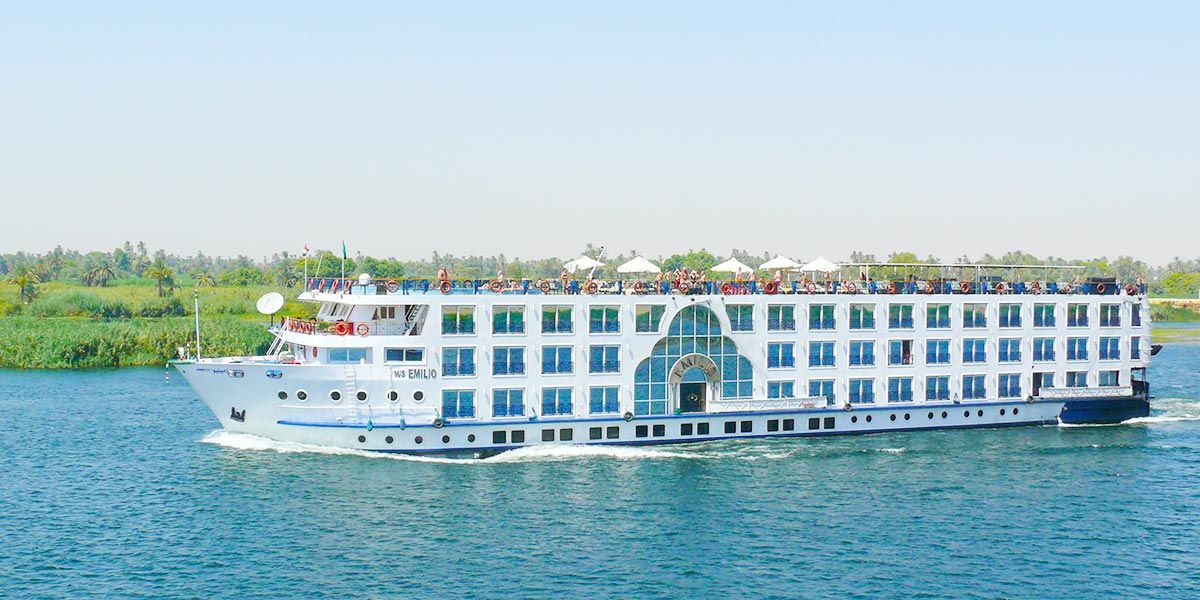
The Nile is more than a feature of the earth-it is a river of life, bridging people, culture, and history. Its waters have fed civilizations, created economies, and engendered spiritual beliefs for millennia.
Historical Importance
The River Nile was the lifeblood of Ancient Egypt, supplying water, fertile soil, and a dependable source of food right in the middle of the desert. Its annual floods transformed barren lands into thriving agricultural fields, enabling the growth of one of the world’s greatest civilizations. Beyond sustenance, the Nile was a vital trade route, connecting cities and facilitating the exchange of goods like gold, papyrus, and grain. It was a divine gift, revered as such; the Nile shaped not only the economy of Egypt but also its culture, its religion, and its architectural legacy in a way that even now inspires wonder.
The Nile as the Lifeblood of Ancient Egypt
In the middle of the desert, the Nile was a godsend. To the ancient Egyptians, it wasn’t just a river; it was the beginning of their entire civilization. Through its annual flooding, the Nile carried rich silt into the land, allowing the Egyptians to cultivate crops and settle their society.
Without the Nile, there would be no pyramids, no great cities, and no heritage of pharaohs. The dependability of the river made the Egyptian people and the civilization prosper, whereas they considered the river as a god’s present. The Egyptians celebrated the river with festivals and viewed its waters as sacred for communicating with the gods.
The Nile and Respect Egypt Tours worked together to enhance your experience at every site, starting with the Pyramids of Giza and ending with the temples in Luxor.
Contribution to Trade and Navigation
The Nile was not just a source of nourishment; it was the highway of ancient Egypt. The river transported goods like gold, papyrus, and grain, connecting cities and areas within the kingdom and allowing trade with other territories. This trade created enriching liaisons in Egyptian culture.
Even today, the Nile is an important water route that helps with industries and transportation in the present time. Imagine the tales of ancient merchants crisscrossing its waters as you take a cruise down the Nile on your journey with us.
The Source of the Nile

The source of the Nile was, for centuries, one of the great mysteries of exploration. While many rivers have straightforward origins, the source of the Nile involves combining Lake Victoria for the White Nile and Lake Tana for the Blue Nile.
The White Nile flows through Sudan but originates from Uganda, whereas the Blue Nile originates in Ethiopia. The latter joins the former near Khartoum in Sudan to form this mighty river that carries water north into Egypt.
Standing at the point where these tributaries meet, one can feel the pulse of nature’s power in unison. It is this combination of waters that has made the Nile the lifeblood for both life and history.
Fascinating Myths and Stories
The Nile has engaged various mythologies over several centuries.
- A Divine River: The ancient Egyptians believed the Nile was a gift from the gods, especially Hapi, the god of inundation, from whom the Nile received its endowments and therefore spread fertility among the lands.
- Crocodile City: These amphibians were sacred to the crocodile god Sobek, and cities like Fayoum regarded them as a symbol of strength and fertility.
- People often saw the Nile as a gateway to the afterlife, acting like a bridge between life and death. It reflected the actions of Ra, the sun god, who himself journeyed its waters during the night.
These stories add to the mystique of the Nile, turning it from a physical river into a living myth.
10 Amazing Facts About the Nile River
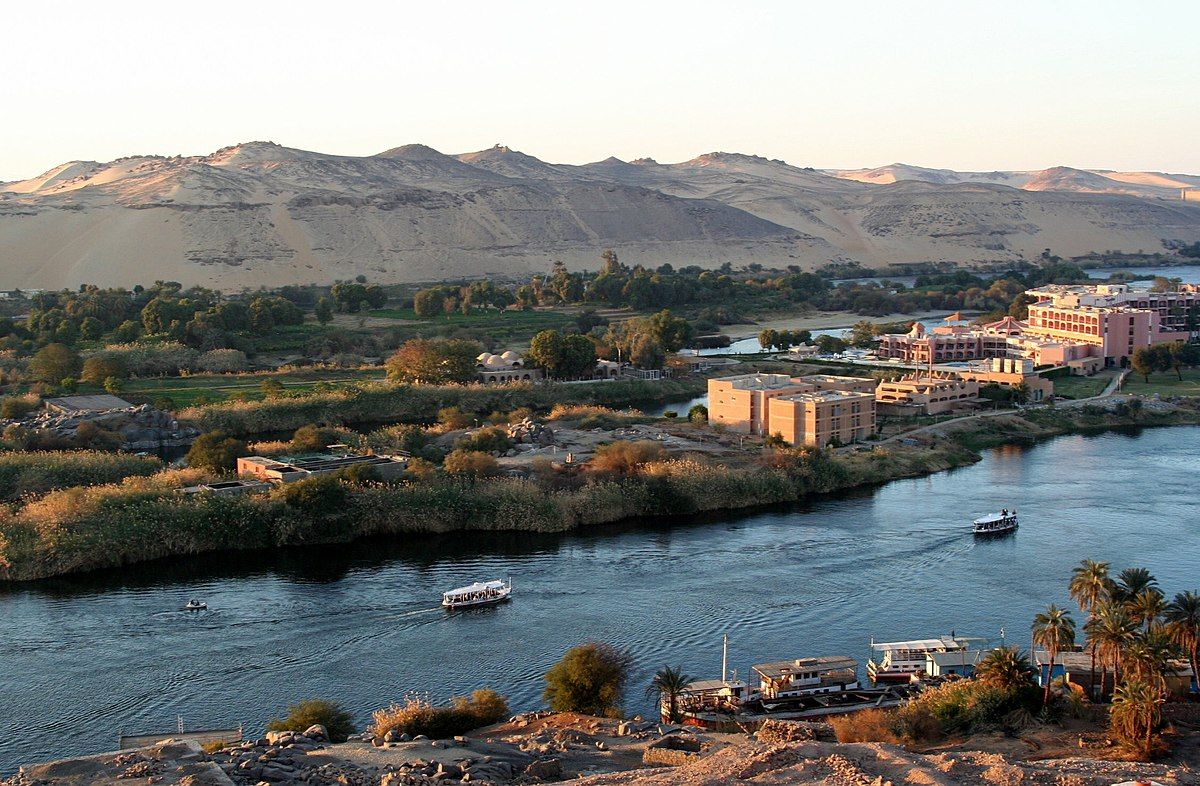
The River Nile is more than just a river; it’s a treasure trove of fascinating facts that showcase its historical, cultural, and geographical significance. From its incredible length to its divine connections in ancient mythology, here are 10 amazing facts about the Nile River that will leave you in awe.
1. It’s the longest river on Earth
The Nile, stretching 6,650 kilometers (4,130 miles), claims the title of the longest river in the world, though some debate its status with the Amazon River. Flowing through 11 countries, it serves as a vital artery of life across northeastern Africa, sustaining diverse ecosystems and human populations. Its length makes it a true natural wonder, connecting cultures and histories over thousands of miles.
2. It Was Home to a Crocodile God and a Crocodile City
The Nile held sacred significance in ancient Egypt, and its crocodiles played a unique role in their mythology. In temples along the river, they worshipped the crocodile god Sobek, a symbol of strength and fertility. In Fayoum, often called Crocodile City, people kept tame crocodiles in pools and temples, and they adorned some with jewels. This reverence highlights the spiritual bond between the Nile and its inhabitants.
3.It could serve as a glimpse into the true underworld.
The ancient Egyptians considered the Nile to be much more than life; The river’s flow from south to north mirrored the mythical journey of the sun god Ra, who traveled through the underworld at night. Egyptians believed the Nile connected this world with the afterlife, making it a lifeline, both metaphorically and literally.
4. The Nile is a lifeline for millions of people
The Nile serves as a source of sustenance and livelihood for over 300 million people in Africa today. Its waters supply drinking water, irrigation for agriculture, and hydroelectric power; thus, it is part of daily life. From fishers in Uganda to farmers in Egypt, innumerable lives depend upon the steady flow of the Nile, making it a lifeline for the continent.
5. The Nile Flows Through 11 Countries
The journey of the Nile covers 11 countries: Egypt, Sudan, Ethiopia, and Uganda, making it a shared natural feature across northeastern Africa. This vast reach has made the Nile a common heritage for these nations, a reason for cooperation and competition over its waters. The transcontinental flow of the river reflects its status as a connector of lands and peoples.
6. Lake Victoria is a key source of the Nile
The White Nile, the longest of the river’s two main tributaries, rises at Lake Victoria, the largest lake in Africa. Lake Victoria feeds the White Nile with a substantial amount of water at its surface in Uganda, Kenya, and Tanzania. This enormous body of water is not only an important feeding source for the Nile but also an essential ecosystem supporting rich biodiversity and human settlements.
7. The Aswan High Dam on the Nile-the engineering marvel
Completed in 1970, the Aswan High Dam is the most impressive engineering feat along the Nile. Built to control flooding, provide irrigation, and generate hydroelectric power, the dam transformed Egypt’s economy and agriculture. It created Lake Nasser, one of the world’s largest artificial lakes, and continues to be a cornerstone of modern Nile management.
8. The Nile inspired the first calendar system in history
The predictability of the Nile’s annual flood cycle was so certain that it served as an inspiration for the ancient Egyptian calendar. The ancient Egyptians divided the year into three seasons: inundation, growth, and harvest. With this calendar, Egyptians could plan their agricultural work with complete accuracy and thus guarantee their civilization’s well-being. The Egyptians used the natural rhythm of the Nile to create one of humanity’s first timekeeping systems.
9. Its Annual Floodwaters Were Once Considered Divine
In ancient Egypt, people regarded the Nile’s annual flooding as a godly gift. When the floods washed over the land, they left behind their sluiced-on silt, turning arid deserts into rich farmland. The god Hapi personified this vital process, honored with rituals and sacrifices. Because of the predictability of the floods, the Nile became synonymous with stability and plenty within a world of capricious nature.
10. Many Ancient Battles Were Fought Along Its Banks
The strategic importance of the Nile throughout history made it one of the hot spots of conflict. From Pharaonic wars to Roman conquests, the riverbanks have been the site of countless battles. To control the Nile was to control its resources, trade routes, and fine lands — prized jewels of empires. Today, these battle sites offer a glimpse into the dramatic past of the river, which blends history and legend.
Best Tours to Experience Along the Nile

When it comes to exploring the Nile, there’s no better way than through a guided tour that brings the history of this iconic river to life. Whether you’re looking for a relaxing cruise or an adventurous exploration, here are some of the best tours to consider when you’re ready to discover the amazing facts about the River Nile:
1. Nile River Cruises (Cairo to Luxor or Aswan)
The most popular way to explore the Nile is by taking a Nile River cruise. These cruises usually run between Cairo and Luxor or Aswan, offering a smooth, scenic journey past ancient landmarks. You’ll have the chance to visit some of the most famous spots in Egypt, like the Valley of the Kings, Karnak Temple, and Luxor Temple. Some cruises even offer visits to Abu Simbel or Edfu Temple. Whether you choose a luxury boat or a smaller, more intimate vessel, a Nile cruise is a relaxing way to take in the beauty of Egypt’s landscapes.
2. Felucca Sailing on the Nile
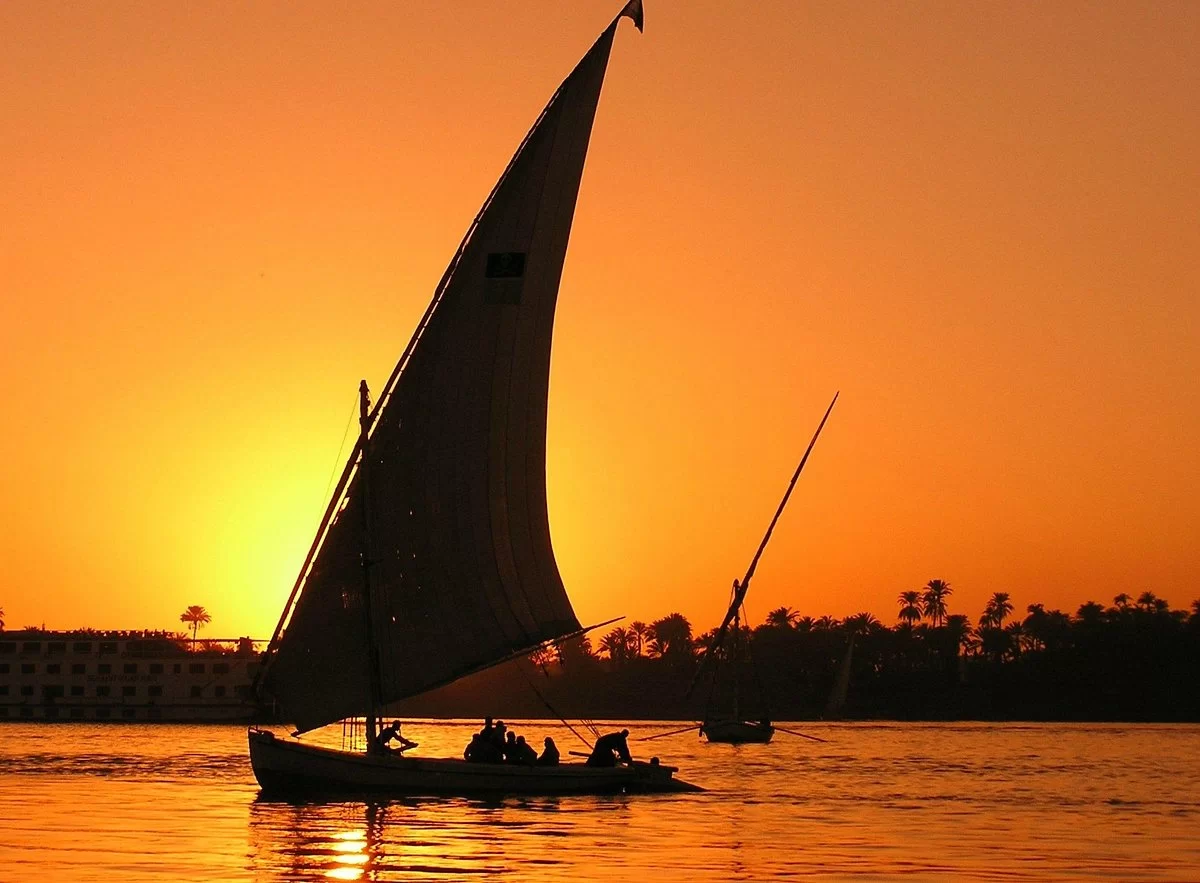
For a slower, more traditional experience, you can take a ride on a felucca, a wooden sailboat. It’s a peaceful and intimate way to enjoy the Nile, with the bonus of gorgeous views. A felucca ride is especially magical during sunset, offering breathtaking sights as the sun dips below the horizon. Whether you go for a quick trip or a longer evening sail, the simplicity and tranquility of a felucca ride are hard to beat.
3. Nile Valley Tours (Luxor and Aswan)
For those passionate about history, a Nile Valley tour focusing on the temples and tombs of Luxor and Aswan is a must. These areas are home to some of Egypt's most famous ancient sites, like the Temple of Karnak, the Valley of the Kings, and the Temple of Philae. You’ll also want to visit the High Dam and the Unfinished Obelisk in Aswan. Many tours in this region offer expert guides who will walk you through the history of these monumental sites, helping you understand their significance and connection to the amazing facts about the River Nile. Here is the Short Nile Cruise From Cairo To Luxor
4. Hot-Air Balloon Ride Over Luxor
For an experience that will truly take your breath away, a hot-air balloon ride over Luxor is an unforgettable way to see the Nile and its surroundings. The early morning ride gives you a bird’s-eye view of the temples, tombs, and the river itself. Floating above the Nile Valley at sunrise, you’ll get a completely new perspective on Egypt’s rich history—an experience that truly brings the amazing facts about the river Nile to life in a way you won’t forget.
5. Nile Fishing and Wildlife Tours
If you’re looking for a more nature-focused adventure, consider a Nile fishing tour or a wildlife experience. The Nile is teeming with life, from fish to birds, and a fishing tour lets you experience the river in a more hands-on way. You can also opt for wildlife tours that take you along the banks, where you can spot rare species and learn about the ecosystems that thrive along the river. It’s a great way to connect with the natural side of the Nile while still experiencing its wonders.
6. Private Custom Tours
For those who want a more personalized touch, private custom Nile tours offer a tailored experience, perfect for those interested in focusing on specific areas. Whether you want to explore Egypt’s ancient temples, cruise at your own pace, or enjoy the river in a way that fits your schedule, private tours offer flexibility and expert guidance. This is an excellent choice for travelers looking for an experience that’s as unique as the amazing facts about the River Nile itself.
The Role of the Nile in Tourism
The Nile isn’t a relic of the past; it’s a thriving center of modern-day tourism.
Nile River Cruises and Attractions
One of the most popular ways to experience the Nile is with a Nile River cruise. Just think: sailing by lush banks dotted with ancient temples such as Luxor and Karnak, waking up to breathtaking views of the river at sunrise.
Besides a bunch of relaxation, cruises often comprise guided tours to iconic landmarks, be it the Valley of the Kings or the Temple of Philae. For those feeling adventurous, felucca rides or hot-air balloon trips over the Nile afford unique perspectives on this legendary river.
With Respect Egypt Tours, enjoy professionally planned itineraries that incorporate the beauty and the history of the Nile to create lifetime memories.
Conclusion
The River Nile is not just a river; it’s a lifeline, a legend, and a testament to the resilience of human civilization. From the earliest times, when it was playing its role as a cradle of Egyptian society, to today, the story of the Nile is one of awe and wonder.
Ready to experience the magic of the Nile? With Respect Egypt Tours, you can explore its incredible history, sail its iconic waters, and reveal the mysteries of one of the world’s most famous rivers.
Related Tours
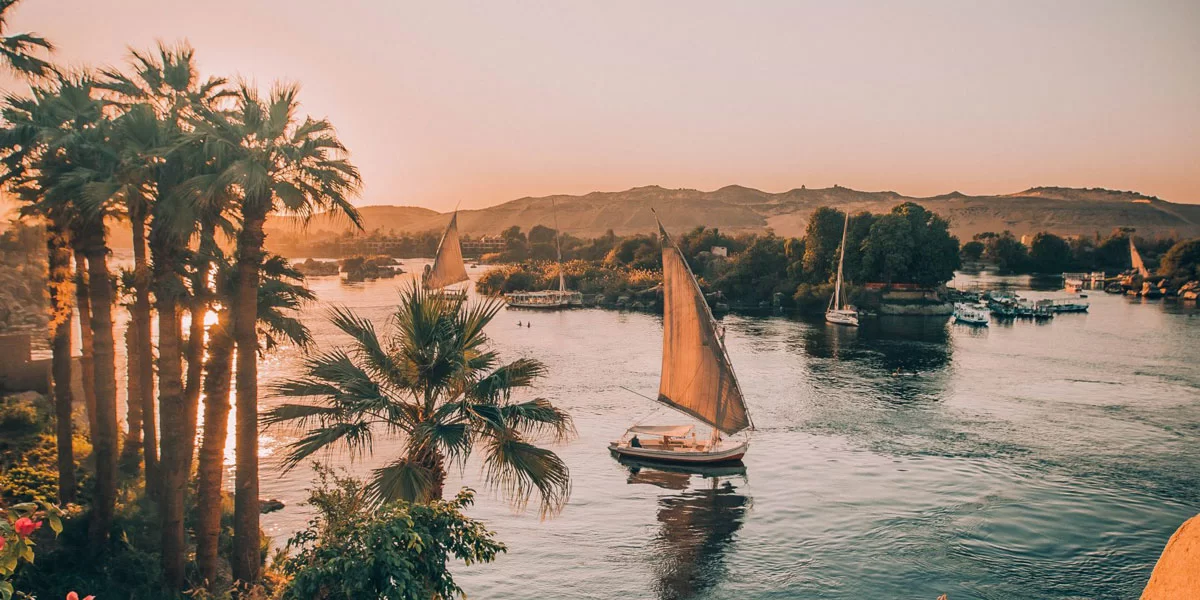













.png "Movenpick Hotel")





.svg)
 Transfers