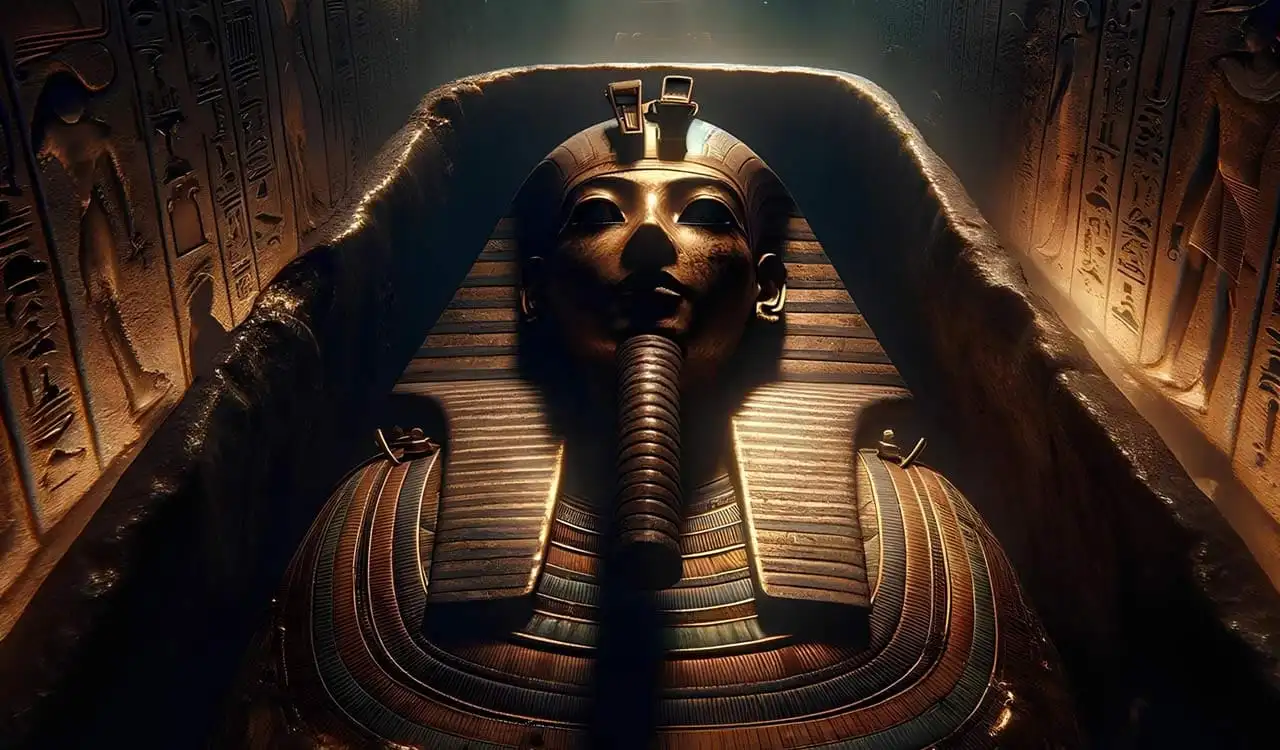
A Closer Look at King Tut's Accomplishments During His Reign
When we think of ancient Egypt, one name springs to mind: Tutankhamun, or “King Tut.” Although his reign was short-lived, King Tut left a significant impact on Egyptian history despite his youth; even his tomb’s discovery sparked waves of excitement among archaeologists. But there’s more than just treasures that make his story captivating. Inside his tomb, a chilling warning was found: "He who knows the terrible secret will not see the world as he knew it. Death will envelop with its wings anyone who tries or dares to disturb the sleeping Pharaoh." These words have only fueled the intrigue surrounding him. But what has he achieved during his brief reign, and what sets him apart from other Egyptian rulers? Let’s examine King Tut’s accomplishments by delving deeper into his life and achievements, and exploring how we can relate to his legacy today!
Introduction to King Tut

Tutankhamun, more popularly known as the boy king, reigned in Egypt from 1332 BC to 1323 BC under the 18th Dynasty. Though his rule was brief, it was essential in returning Egypt to stability after Akhenaten’s turbulent reign. Born into a complicated web of political and religious turmoil, King Tut’s accomplishments, both big and small, continue to captivate historians and travelers alike; let us first understand his background before delving deeper into his reign.
Tutankhamun's Youth & Rise to Power
Born Tutankhaten, King Tut ascended the throne at just 9 years old. Influenced by advisors and priests during his youth, King Tut was guided by them in his historic decisions during this crucial stage in his reign and the formation of his legacy. Akhenaten changed Egypt’s religious focus by shifting it towards worshipping Aten, causing social disruption. However, after taking power, he reversed this decision and reinstated traditional religious practices. This reversal was central to his reign and legacy.
King Tut's Family
King Tut’s family played an essential part in his life and reign. Born to Akhenaten, an Egyptian Pharaoh who implemented profound reforms to Egyptian religious life, and Queen Nefertiti (whose exact relationship to him remains debatable). Tut married Ankhesenamun - another significant figure from Egyptian history - but was unsuccessful in creating a dynasty, as neither could produce an heir, leaving no direct successors.
Mummy Mystery: King Tut

One of the most important aspects of King Tut's legacy is the mystery surrounding his mummy. Since its discovery by Howard Carter in 1922, people worldwide have marveled at the extraordinary treasures found within it - yet its discovery still raises more questions than answers; was he murdered or did he die because of an accident or medical condition? In just a moment, we will explore this further.
King Tut: Born and Died
King Tut was born around 1341 BC and ascended the throne at a very young age. His reign was short-lived, ending when he died at 19. His death marked the end of a brief yet influential chapter in ancient Egyptian history. Today, the Grand Egyptian Museum displays his tomb in the Valley of the Kings and his treasures, attracting millions of visitors who seek to connect with the enigmatic pharaoh.
How did Tutankhamun die?
King Tut’s death has long been the subject of heated discussion. The cause of his death has been the subject of various theories. Some attribute it to complications arising from a leg fracture sustained in a chariot accident, while others suggest genetic disorders or criminal involvement. However, modern medical advancements, such as CT scans, have uncovered signs of malaria and potential skeletal issues. Egypt plunged further into political unrest with his death at such an early age and without an heir - further heightening its mystique!
Who Discovered Tutankhamun’s Tomb?
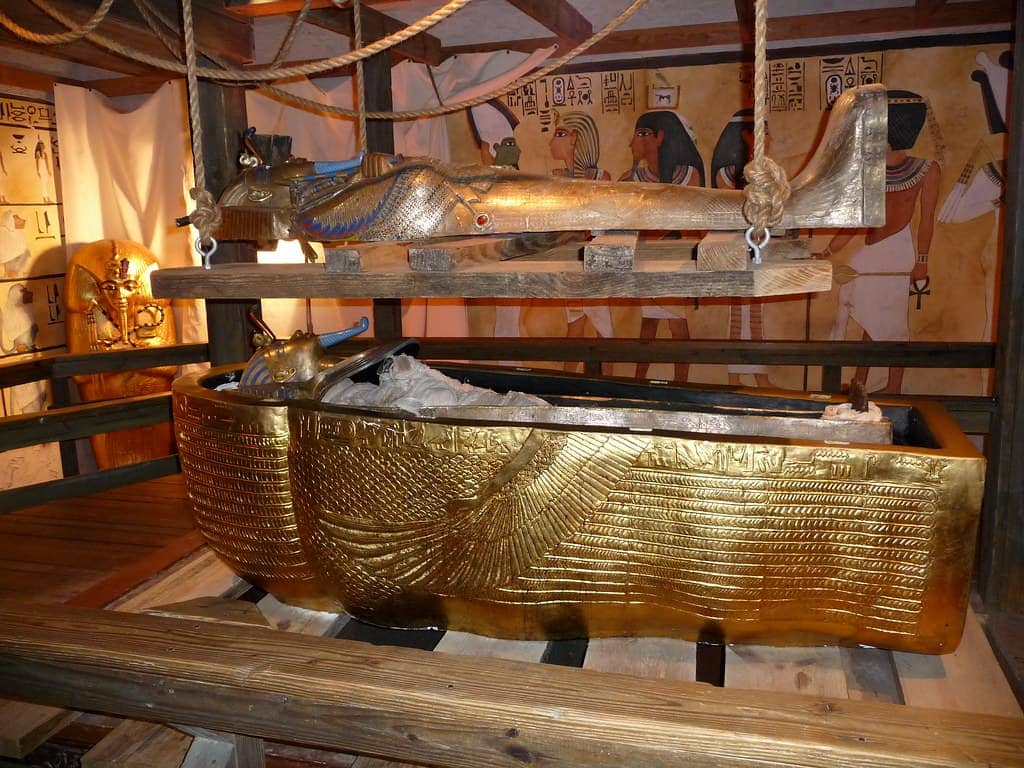
Howard Carter, of British archaeology fame, made history when he found King Tut’s tomb in 1922, sending shockwaves through the archaeological community. Its near-perfect preservation distinguished this remarkable find, including an almost intact golden sarcophagus dating back 3,000 years, untouched within it. Carter’s discovery not only reignited interest in ancient Egypt but also shed light on King Tut’s accomplishments, which had long been forgotten because of larger-than-life predecessors.
Discover his tomb for yourself at the Grand Egyptian Museum. Book your tour with Respect Egypt Tours and get the best service. Tailor your own tour to have as much time as you need to explore the magnificent King Tut's accomplishments.
What Was Found Inside King Tut’s Tomb?
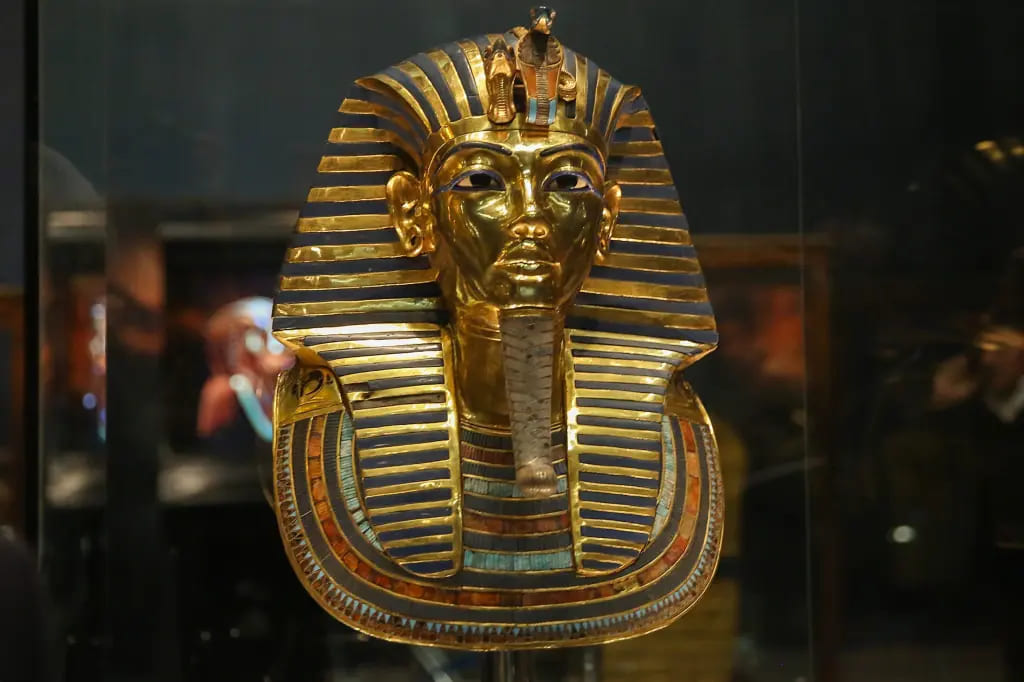
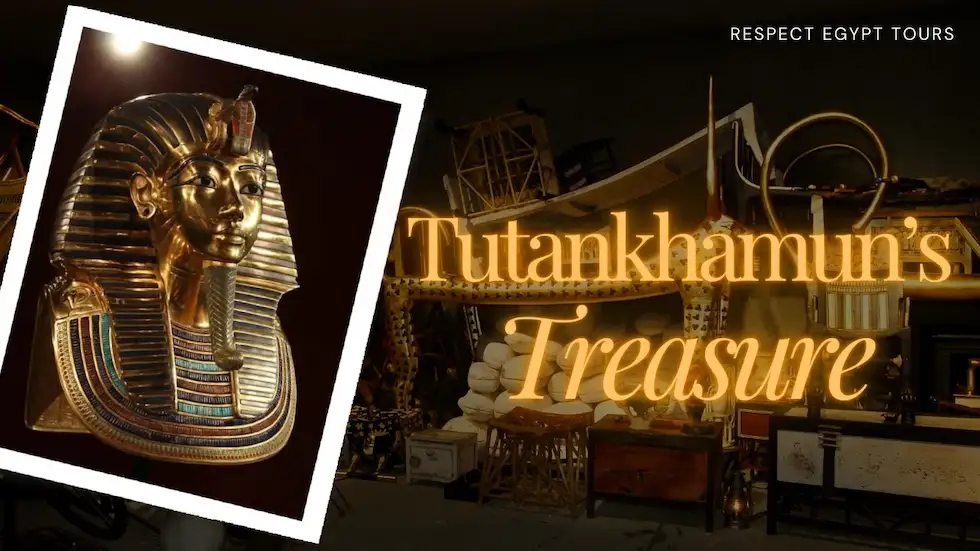
Inside King Tut’s tomb, archaeologists discovered many artifacts that shed light on his reign and daily life. These include golden chariots, exquisite jewelry, and statues of deities meant to safeguard him in the afterlife. The iconic gold death mask, for instance, demonstrates the immense reverence for this extraordinary ruler despite his brief reign. These artifacts point toward someone regarded with immense respect during his brief rule on Egypt’s throne.
King Tut Accomplishments
While King Tut’s reign was short, his achievements were pivotal in stabilizing Egypt during a period of significant upheaval. Let’s explore the key accomplishments that made him one of the most intriguing pharaohs in Egyptian history.
Moved the capital back to Thebes
King Tut’s first act as leader was moving the Egyptian capital from Akhetaten (modern-day Amarna) back to Thebes, signaling his intent to restore both religious and political order; Thebes, being associated with the worship of Amun in ancient Egypt, was at its core.
Building Projects
Though King Tut is not remembered for grandiose monuments like other pharaohs, he did commission various restoration projects. After Akhenaten’s religious reforms left many temples abandoned, King Tut focused on repairing and reopening them, especially those dedicated to Amun. These efforts to revive the old temples reaffirmed his dedication to restoring traditional values.
Military Campaigns
Though there are few records of major military conquests during King Tut's reign, he sought to reestablish Egypt’s influence over its neighbors. The young pharaoh’s administration likely conducted minor campaigns to regain lost territories in regions such as Nubia and Syria.
Cultural Contributions
King Tut’s most significant cultural legacy lies in his role in revitalizing Egypt’s polytheistic religion. By moving away from his father’s monotheistic worship of Aten and allowing the Egyptian pantheon to flourish again, his actions had lasting effects on art, culture, and religious practices that continue to this day.
Economic Achievements
King Tut’s reign witnessed some economic recovery following Akhenaten’s rule, which disrupted relationships between Egypt and other powers. Trade routes were reopened, and economic exchanges resumed with neighboring nations, giving Egypt access to the resources it needed.
Diplomatic and Political Achievements
King Tut was engaged in forging closer ties between Egypt and its allies. King Tut engaged in forging closer ties between Egypt and its allies, as evidenced by his marriage to Ankhesenamun, intended to strengthen his legitimacy, and by his diplomatic exchanges to build alliances that helped secure Egypt’s borders and cultivate peaceful relationships among nations.
Educational Initiatives
Though direct evidence of educational policies during King Tut’s reign is scant, his religious reforms likely affected the curricula of priestly schools and other institutions of learning. Religious education programs likely passed knowledge along from one generation to the next, instilling these ways into young minds with the reinstatement of traditional gods.
Contributions to Egyptian Art and Architecture
King Tut’s reign saw art return to the classical styles of earlier dynasties. This meant moving away from the distinctive, exaggerated forms introduced during Akhenaten’s rule; instead, Egyptian art under King Tut celebrated traditional depictions of gods, royalty, and everyday life, as evidenced throughout his tomb.
Technological Progress
Though King Tut’s reign did not bring about any revolutionary technological breakthroughs, discoveries made during the excavation of his tomb revealed the superior craftsmanship found throughout Egypt. For example, his gold death mask displays intricate metalwork, while chariots show Egypt’s mastery of transportation technology.
Visit King Tut in the Grand Egyptian Museum
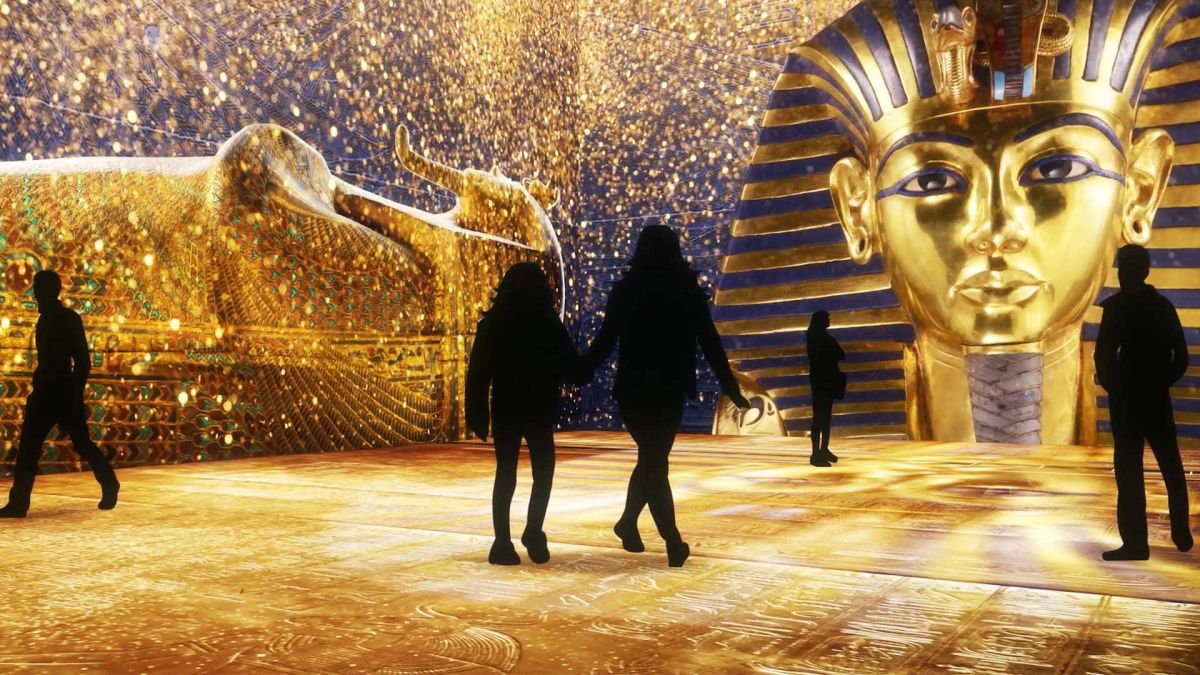
The Grand Egyptian Museum in Giza currently displays many of the treasures discovered in King Tut’s tomb. A visit to this magnificent museum should be on any history buff’s agenda; Respect Egypt Tours offers guided visits that enable guests to gain a close-up view of these artifacts that once belonged to him and to better understand his achievements. These pieces offer more insight into King Tut’s achievements. The life relics enable visitors to gain an inside perspective into this legendary figure’s life.
Visit the Grand Egyptian Museum now with Respect Egypt Tours and enjoy the best private tour with King Tut.
Conclusion
King Tutankhamun may have ruled for only a decade, but his impact on Egypt is undeniable. From restoring traditional religious practices to revive Egypt’s political stability, King Tut’s accomplishments were many and essential. His story, forever immortalized through the discovery of his tomb, continues to fascinate people around the world. Whether you’re drawn to his mysterious death or the incredible treasures found in his tomb, King Tut remains an iconic figure in Egypt’s history. If you’re interested in exploring his legacy firsthand, consider booking a trip with Respect Egypt Tours—your gateway to ancient Egypt’s most interesting stories.
Related Tours












.png "Movenpick Hotel")





.svg)
 Transfers